 Michael Caine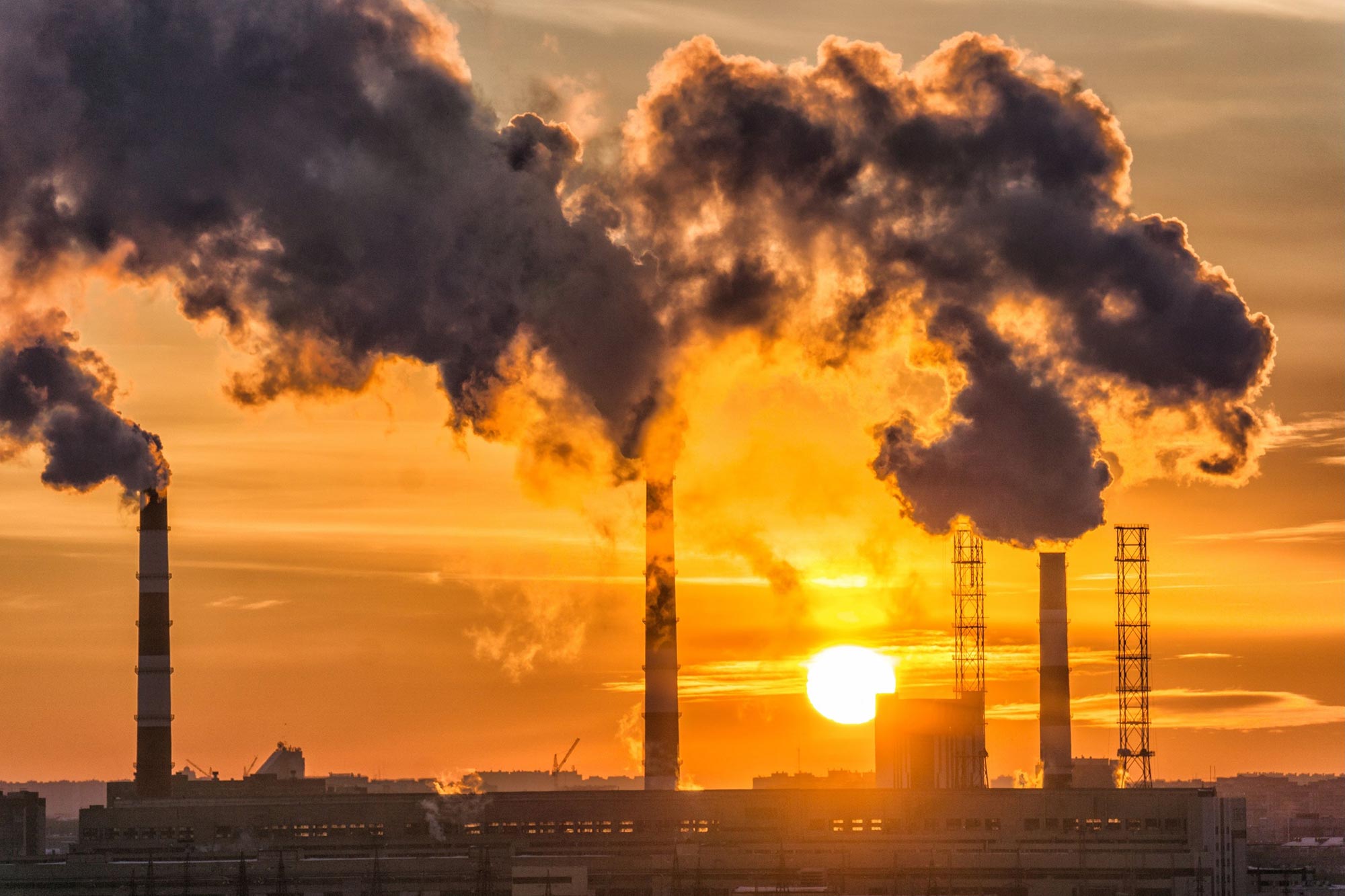
Factories do not need to look dirty to leave a hard mark on a town. Some of the worst damage happens through invisible air releases, buried waste, quiet wastewater pipes, and permit violations that only show up after neighbors start asking why asthma, odors, fish kills, or strange runoff keep returning. That is why industrial pollution is not only an environmental issue in the United States. It is a legal fight over who gets clean air, safe water, usable land, and honest accountability. Federal laws such as the Clean Air Act, Clean Water Act, RCRA, and Superfund give regulators, states, communities, and sometimes private citizens real tools to push back. EPA says the Clean Air Act defines its duty to protect and improve air quality, while the Clean Water Act regulates pollutant discharges into U.S. waters. For readers tracking legal, public policy, and community accountability issues, environmental policy updates can help connect these fights to the broader civic conversation. The law is not a magic shield. But when people know how these statutes work, polluters have a harder time hiding behind technical language.
How Federal Environmental Laws Turn Pollution Into Legal Liability
The strongest thing about U.S. environmental law is that it turns harm into paperwork, deadlines, limits, permits, penalties, and cleanup orders. That may sound dry, but it matters. A smokestack release is harder to challenge when it feels like a vague nuisance. It becomes harder to ignore when a facility violated a permit, skipped monitoring, failed to report emissions, or dumped waste without meeting federal standards.
Why Clean Air Act enforcement reaches beyond visible smoke
Clean air cases often begin with numbers, not clouds. A refinery, cement plant, chemical facility, or power plant may operate under permits that limit how much it can release. Those permits can cover sulfur dioxide, nitrogen oxides, particulate matter, hazardous air pollutants, and other emissions tied to breathing problems and long-term health risks.
Clean Air Act enforcement gives regulators a way to move past a company’s public image. A plant may sponsor a little league team, pave a road, or call itself a local partner. None of that changes the permit. If monitors show excess releases or records show missing controls, the legal question becomes plain: did the facility follow the law?
The unexpected part is that paperwork can protect lungs. A missed emissions test may look minor to an outsider, but it can signal a deeper pattern. Regulators know that a plant that cannot prove compliance may not be controlling pollution at all. That is why Clean Air Act enforcement often treats monitoring and reporting failures as serious warning signs, not clerical mistakes.
How Clean Water Act permits expose hidden discharge problems
Water pollution rarely announces itself with drama at first. A creek may look fine from the road while carrying metals, solvents, nutrients, or heated wastewater. The Clean Water Act changes the conversation by requiring many industrial discharges to move through a permit system, with limits tied to what enters rivers, lakes, wetlands, and coastal waters. EPA describes the law as the basic structure for regulating pollutant discharges into U.S. waters.
Clean Water Act permits matter because they create a traceable legal path. If a factory pipe sends wastewater into a stream, the company cannot simply say the discharge is normal. It must meet permit limits, sample its releases, file reports, and respond when results show violations.
A practical example is a plating shop or food processing plant near a small river. Residents may notice foam, odor, algae growth, or dead fish, but those observations alone may not prove a case. Discharge monitoring reports can show whether the facility exceeded legal limits. That paper trail can turn neighborhood suspicion into an enforcement action.
Industrial Pollution Laws and the Power of Permits
Industrial pollution laws work best when permits are treated as living legal documents, not one-time approvals. A permit tells a facility what it may release, where it may release it, how often it must test, and what happens when limits are exceeded. The permit is also where ordinary citizens often find their first piece of leverage.
What permit limits reveal about industrial emissions
Permit limits show the difference between legal operation and uncontrolled harm. Industrial emissions are not judged only by smell, smoke, or public complaints. They are measured against enforceable standards that can be reviewed by agencies, courts, and community groups.
A steel mill, asphalt plant, refinery, or waste incinerator may have separate limits for different pollutants. That detail matters because one facility can comply in one category and fail in another. A company may reduce one kind of release while allowing another to climb. Without permits and monitoring records, the public would struggle to see that split.
There is a hard truth here: some pollution is legal. That does not mean it is harmless. It means the law sets a boundary, and the fight often becomes whether that boundary is strong enough, whether the company stayed inside it, and whether the agency should tighten future limits.
Why public comments can shape Clean Water Act permits
Clean Water Act permits are not private contracts between a company and the government. They often move through public notice and comment, which gives nearby residents, local groups, scientists, and state agencies a chance to challenge weak limits or missing conditions.
That process can feel intimidating. The notice may be full of acronyms. The draft permit may use technical tables. Still, a well-written comment can force an agency to respond to real concerns, especially when residents point to flooding patterns, drinking water intake locations, fish habitat, or repeated discharge problems.
A counterintuitive lesson comes up again and again: emotional testimony can matter more when paired with one concrete request. “Our children smell chemicals at night” is powerful. “Require nighttime monitoring because odors occur after 10 p.m.” gives the agency something specific to consider. Law needs human facts, but it also needs a handle.
Hazardous Waste Rules and Cleanup Orders After Damage Is Done
Some pollution fights begin after the damage has already moved into soil, groundwater, storage tanks, drums, or old disposal areas. That is where hazardous waste rules and cleanup laws become essential. They do not only ask whether a company polluted today. They ask who must pay when yesterday’s choices are still poisoning a place.
How RCRA controls waste before it becomes a disaster
The Resource Conservation and Recovery Act, often called RCRA, focuses on hazardous waste from creation to disposal. It covers how waste is generated, stored, labeled, transported, treated, and discarded. The law exists because dangerous waste does not become safer simply because a company moved it behind a fence.
Hazardous waste rules can apply to chemical plants, metal finishers, electronics manufacturers, laboratories, oil-related facilities, and many other operations. A violation might involve leaking containers, poor labeling, missing manifests, unsafe storage areas, or disposal at an improper site.
The practical power of RCRA is prevention. A leaking drum behind a warehouse may not be headline material, but it can become groundwater contamination if ignored. Regulators use hazardous waste rules to force better handling before a future neighborhood inherits the bill.
Why Superfund can make old polluters pay
Superfund, formally CERCLA, deals with releases or threatened releases of hazardous substances. EPA explains that CERCLA authorizes federal response to hazardous substance releases and works alongside RCRA, which focuses more on ongoing hazardous waste management.
Superfund matters because pollution often outlives the company name on the gate. A factory may close. Land may be sold. Records may be scattered. The contamination remains. CERCLA can pull responsible parties back into the picture and require investigation, cleanup, or reimbursement for government response costs.
A former dry-cleaning site, smelter, battery plant, or chemical storage yard can sit quietly for years before contamination is discovered. The legal fight then becomes a search through ownership, operations, waste shipments, and corporate history. It is slow work. But slow does not mean weak. Sometimes the most powerful environmental case is the one that refuses to let time erase responsibility.
Citizen Lawsuits, State Action, and the Future of Enforcement
Federal agencies are not the only players in pollution control. States issue many permits, inspect facilities, and bring their own enforcement cases. Citizens and nonprofits can also sue under several environmental statutes when legal conditions are met. This layered system matters because enforcement strength changes with budgets, leadership, staffing, and political priorities.
When communities can act without waiting for EPA
Citizen suit provisions give communities a path when regulators move slowly or decline to act. These lawsuits usually require notice, evidence, and careful timing. They are not casual complaints. But they can force attention when a facility has repeated violations and official enforcement has stalled.
A neighborhood near a scrap yard, landfill, refinery, or factory may begin with public records. Discharge reports, air permits, inspection files, violation notices, and state databases can reveal patterns. Once residents see repeated exceedances or missed reporting, they can speak with environmental lawyers or advocacy groups about legal options.
The surprising point is that citizen enforcement often starts with patience, not outrage. Public records requests, meeting notes, permit files, photos, odor logs, and sampling data may build the foundation. Anger opens the door. Documentation walks through it.
Why enforcement trends decide whether laws have teeth
A law sitting on paper does not scare a polluter. Inspections, penalties, lawsuits, and cleanup orders do. EPA reported 2,127 civil enforcement case conclusions in fiscal year 2025, the highest number in nine years, while other outside analyses and news reports have argued that some federal court enforcement activity dropped sharply during 2025 and early 2026. That tension shows why Americans should watch both agency announcements and independent enforcement tracking.
This is where the future gets uncomfortable. Faster permits, lighter inspections, and fewer court cases can look efficient on paper. For a family living near a fence line, the cost may show up as smoke at night, water they do not trust, or soil they do not let children touch.
Environmental laws are strongest when they are visible, used, and tested. Industrial pollution does not fade because a company writes a clean mission statement or promises better behavior next year. It fades when permits are enforced, data is public, penalties cost more than noncompliance, and communities refuse to be treated as sacrifice zones. The next smart move is simple: learn which facilities operate near you, read their permits, and ask harder questions before pollution becomes a permanent neighbor.
Frequently Asked Questions
What environmental laws are used against industrial polluters in the United States?
The main federal tools include the Clean Air Act, Clean Water Act, Resource Conservation and Recovery Act, and Superfund. States also enforce their own pollution laws, often through environmental agencies that issue permits, inspect facilities, and bring penalties against companies that violate legal limits.
How does the Clean Air Act help communities near factories?
It sets emission limits, requires permits, and gives regulators power to act when facilities release unlawful air pollutants. Communities can use permit records, monitoring data, and violation notices to understand whether a nearby plant is following legal standards.
Can citizens sue companies for pollution violations?
Yes, several federal environmental laws allow citizen suits when specific legal requirements are met. These cases usually require advance notice and evidence of ongoing violations. Residents often work with environmental attorneys or nonprofit groups before filing.
What is the role of EPA in fighting factory pollution?
EPA writes rules, oversees state programs, inspects facilities, brings enforcement cases, negotiates settlements, and orders cleanup in serious cases. Its role can vary depending on the statute, the state agency involved, and the severity of the violation.
How do Clean Water Act permits control industrial wastewater?
They set limits on what pollutants a facility may discharge, how often wastewater must be tested, and what reports must be filed. If a company exceeds those limits or hides data, regulators may issue penalties or require corrective action.
What happens when industrial waste contaminates soil or groundwater?
Regulators may use RCRA or Superfund to investigate contamination, identify responsible parties, require cleanup, and recover costs. These cases can involve current owners, past operators, waste transporters, or companies that arranged disposal.
Why are pollution permits important for local residents?
Permits reveal what a facility is allowed to release and what monitoring it must perform. Residents can review draft permits, submit comments, challenge weak conditions, and track whether a company’s reported results match legal limits.
How can someone check if a nearby facility has pollution violations?
Start with EPA’s public databases, state environmental agency records, local permit files, and inspection reports. You can also request public records, attend permit hearings, and ask local health or environmental departments about complaints tied to the facility.