 Michael Caine
The case usually starts to wobble long before anyone steps into a courtroom. It happens at a desk, with a tired lawyer, a messy file, and one bad assumption about what a piece of proof can actually carry. That is why evidence assessment matters more than most people admit.
If you want stronger results in court, you need to treat proof like live ammunition, not office paper. Good lawyers do not just collect records, photos, statements, and digital trails. They test them early, hard, and without sentiment. I have seen smart case teams fall in love with weak facts simply because those facts sounded good in a meeting. That habit costs money, time, and credibility.
Strong prep begins when you ask a blunt question: what survives pressure? That question sits at the center of sound trial work. A witness may look steady on paper and crack on cross. A dramatic text message may turn trivial once context enters the room. The file does not care about your hope. It only rewards discipline. When you judge proof with that mindset, your case starts to stand on its own feet.
Start by sorting proof into winning, risky, and useless piles
The fastest way to lose control of a case is to treat every document like it deserves equal attention. It does not. Some items carry the theory. Some items raise questions. Some belong in the bin, even if your team spent hours finding them.
I sort early proof into three piles: winning, risky, and useless. Winning proof directly supports an element you must prove. Risky proof helps you, but it brings baggage, context problems, or witness trouble. Useless proof may feel dramatic, yet it adds nothing the judge or jury needs to hear.
Take a routine car crash file. A clean traffic camera clip may land in the winning pile because it fixes timing, lane position, and impact. A shaky witness statement from someone who arrived late belongs in the risky pile. Ten pages of angry texts between drivers may be useless noise.
This first cut saves more than time. It sharpens judgment. Once you know what truly carries the case, you stop decorating weak arguments and start building a record that can handle attack. That makes the next step much easier.
Test reliability before you polish the story
Once you know which items matter most, you need to ask whether they can survive contact with the other side. Lawyers often polish a neat story too early. That feels productive. It is also dangerous.
Reliability lives in ugly details. Who created the record? When did they create it? What reason did they have to tell the truth, shade the truth, or guess? A medical chart written during treatment usually stands taller than a summary typed weeks later for litigation. Timing changes weight. Motive changes weight too.
Witnesses deserve the same hard look. A friendly witness can still sink you if their timeline shifts after a short cross. I once watched a promising employment case weaken because a manager gave three different versions of the same meeting date. Nothing dramatic happened. The case just started leaking trust.
You do not need perfect proof. Almost nobody has that. You need proof that stays steady when pressure rises. Test it before you build your argument around it. Do that, and your file starts acting like a case instead of a hopeful folder.
Build Evidence Assessment into the case theory
A lot of teams separate proof review from case theory as if one belongs to the file room and the other belongs to the strategy meeting. That split creates trouble. Your theory should grow out of the proof, not float above it.
The cleanest trial themes come from facts that repeat across sources. Maybe the timeline always points to delay. Maybe every neutral record shows the same safety failure. Maybe the company kept notice, ignored it, and then wrote a self-serving memo after the damage. Patterns persuade because they feel earned.
Instead of asking, “What is the most dramatic argument?” ask, “What can I prove three different ways?” That question usually gives you a better trial theme. It may sound less flashy in the conference room. In court, it hits harder.
Jurors and judges spot strain faster than lawyers like to admit. If your theme asks weak proof to do heavy lifting, people feel the wobble. Connect your strongest documents, cleanest testimony, and clearest timeline into one plain idea. Then keep repeating that idea with calm confidence.
Prepare for attacks before the other side teaches you your case
Every piece of proof has an enemy. Sometimes the enemy is hearsay. Sometimes it is foundation. Sometimes it is a nasty email your client forgot to mention until the file had already grown teeth. Pretending those problems will stay hidden is amateur stuff.
Good preparation means attacking your own record before trial does. Read documents as if you want them excluded. Listen to witness statements as if you plan to impeach them. Look for missing dates, chain-of-custody gaps, edited screenshots, and summaries that somehow got cleaner every time they were retold.
Digital evidence deserves extra suspicion. A screenshot without metadata can turn into a headache in seconds. A clipped audio file may sound devastating until someone asks what happened thirty seconds earlier. Context is the bill that always comes due.
This kind of pressure test can bruise your ego, but it protects the case. Better to find the crack at your desk than hear it open in front of the court. Once you spot the weak points, you can patch them, narrow them, or stop relying on them.
Turn preparation into a courtroom plan people can actually execute
Great proof still fails when the team cannot present it cleanly. Trial prep is not just about knowing the file. It is about turning that file into a sequence people can use under stress, time limits, and objections.
That means building a working plan for exhibits, witness order, foundations, and backup routes. If one witness disappears, you should know what proof still carries the point. If an exhibit draws an objection, you should know which alternate record tells the same story. Good prep looks boring from the outside. Inside the room, it feels like oxygen.
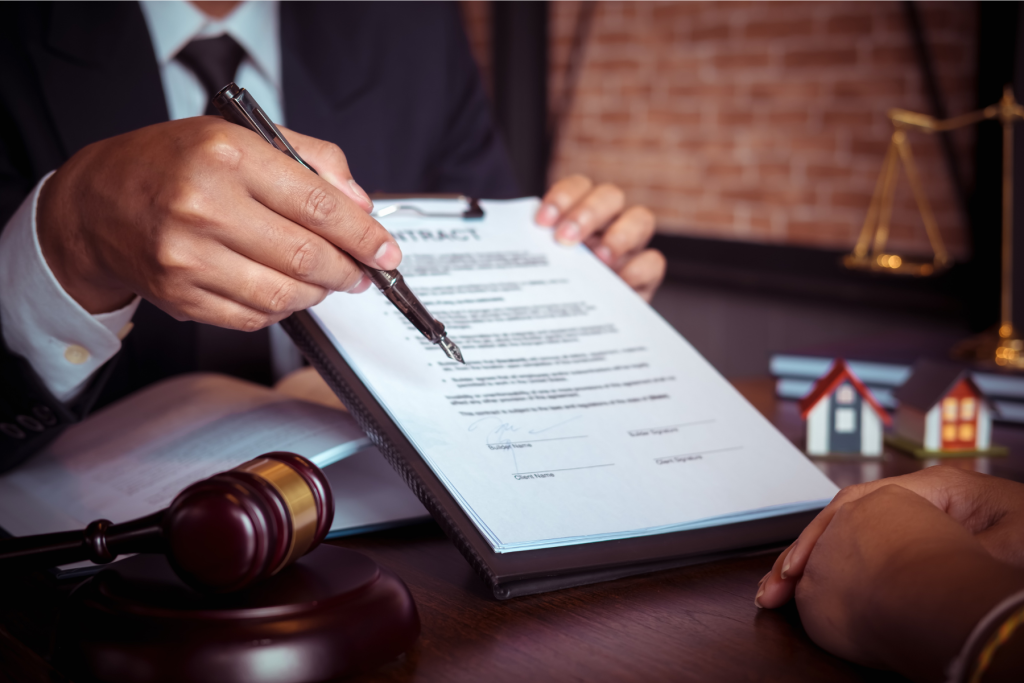
Think about a contract dispute with six months of email traffic. You do not need every message. You need the handful that mark offer, warning, breach, and fallout. Then you need a witness who can place them cleanly, without wandering into speeches nobody asked for.
This is where trial work stops being a slogan and becomes a craft. The best teams make the hard choices before trial day. They cut clutter, assign roles, and rehearse the path. When the pressure rises, they do not scramble. They execute.
Conclusion
Cases rarely fall apart because nobody worked hard. They fall apart because people confused volume with strength and motion with progress. The file got thicker, the meetings got longer, and nobody stopped to ask which proof actually deserved trust. That is the trap you need to avoid.
Real trial readiness comes from judgment. You sort early. You test reliability. You shape your theory around facts that hold. You attack your own weaknesses before the other side does. Then you turn all of that into a plan the courtroom can absorb without confusion. That is what separates prepared lawyers from busy ones.
Evidence assessment is not a box to tick before trial. It is the habit that keeps your argument honest and your presentation sharp. If you want better results, start cutting weak proof sooner, not later. Review your current case file today, mark the three items doing the real work, and rebuild your plan around them. That one move can change the whole posture of the case.
What are the best practices for reviewing evidence before trial?
Start by ranking every item by relevance, reliability, and risk. Then test whether each piece proves an element or merely sounds helpful. The best practice is ruthless sorting early, before emotion, client pressure, or sunk time starts distorting your judgment.
How do lawyers decide whether evidence is strong enough for court?
Lawyers ask whether the proof is authentic, relevant, clear, and steady under attack. They also check who created it, when it appeared, and what context surrounds it. Strong evidence survives objections and cross-examination without needing a rescue speech from counsel.
Why is early evidence review so important before trial starts?
Early review stops you from building a case around weak proof. It shows missing documents, shaky witnesses, and theory gaps while there is still time to fix them. Delay makes small problems expensive, public, and much harder to explain later.
How can you tell if a witness statement is unreliable?
Watch for shifting dates, borrowed language, missing details, or sudden confidence about things the witness barely observed. Compare the statement against texts, records, and timelines. When a witness sounds polished but cannot stay consistent, your warning light should start flashing.
What mistakes weaken evidence during trial prep?
Teams weaken evidence by keeping everything, challenging nothing, and trusting summaries over source material. They also ignore metadata, skip timeline checks, and avoid hard talks with clients. The worst mistake is treating a dramatic fact like a proven one early.
How should digital evidence be checked before a court hearing?
Check where the file came from, whether it was altered, and what surrounding data explains it. Save metadata, preserve originals, and verify dates across devices or systems. A clean digital chain beats a flashy screenshot that cannot answer basic questions.
What makes documentary evidence more persuasive in court?
Documents persuade when they were created close to the event, by someone with knowledge, for a normal business or personal reason. They grow stronger when other records match them. Consistency matters. So does presentation that avoids burying the key point.
How do you organize exhibits for better trial presentation?
Organize exhibits by story function, not by the order they arrived. Group them around timeline, notice, conduct, harm, or damages. Then label them clearly, trim duplicates, and prepare backup options so one bad ruling does not wreck your whole presentation.
Can weak evidence still help a legal case?
Weak evidence can help when it supports stronger proof without carrying the main load. It should confirm, not rescue. Used carefully, it adds texture. Used carelessly, it invites attack, distracts the court, and makes your stronger points look less trustworthy.
What is the difference between relevant evidence and persuasive evidence?
Relevant evidence connects to a fact that matters. Persuasive evidence does more: it lands clearly, feels believable, and fits the wider record. A fact can be relevant yet unimpressive. Persuasive proof gives the court a reason to rely on it.
How often should lawyers re-evaluate evidence before trial?
Lawyers should re-evaluate proof whenever new records arrive, witness stories change, motions narrow issues, or deadlines force choices. A case shifts as it matures. Review at set intervals, but also after every surprise, because surprises rewrite priorities fast under pressure.
What is the first step in building a stronger evidence review process?
Begin with a scoring system for relevance, reliability, and trial risk. Make every team member use it on the same file. Shared standards cut wishful thinking, expose weak assumptions, and turn evidence review from a vague habit into repeatable work.
I can also turn this into a blog-ready version with meta title, meta description, slug, and schema-friendly FAQ formatting